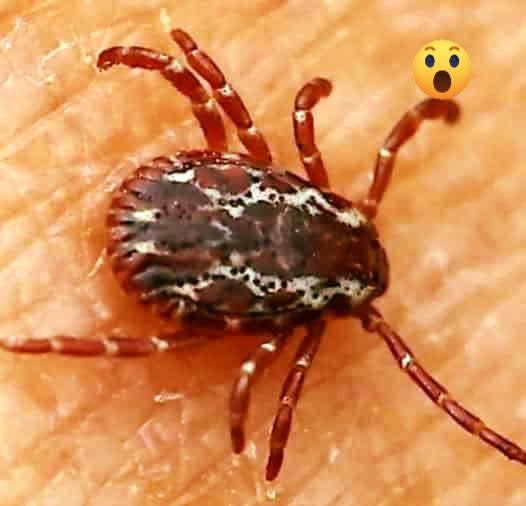

Hyalomma marginatum: a tick in full territorial conquest
The FHCC virus is spread through the Hyalomma marginatum tick. This species, once inconspicuous, is now expanding its reach in Europe, particularly in Mediterranean regions.
The reasons for this expansion
Climate change: milder temperatures favor the survival and reproduction of these parasites. The transformation of natural habitats: migratory wildlife acts as a taxi service, transporting these vectors to unexplored areas.

What are the dangers for the population?
Crimean-Congo hemorrhagic fever is characterized by the following symptoms: a sudden rise in body temperature, internal and external bleeding, and a mortality rate that can reach up to 40% in the most severe cases. To date, there is no specific cure, making prevention all the more crucial.
Essential steps to protect yourself from infected ticks
Avoid high-risk areas: tall grass, undergrowth, and meadows. Opt for long, light-colored clothing to make these mites easier to spot. Apply a suitable repellent before any outing in nature. After a walk, carefully examine your skin and immediately remove any attached ticks. If you suspect a tick bite, consult a healthcare professional without delay.
A cry for help regarding health monitoring
The emergence of the FHCC virus in France serves as a stark warning to both health authorities and the public. Faced with climate change and evolving ecosystems, it is imperative to strengthen surveillance of emerging diseases and educate the public on appropriate protective measures. This discovery could well mark the beginning of a new era in epidemiology, where diseases previously considered distant become threats closer to home.