Discover how to transform anxiety about hair strands into effective and calm management. This article, designed for parents and caregivers, reveals a structured approach that maximizes peace of mind and effectiveness, saving the most crucial details for last.
The appearance of tiny intruders in our children’s hair is, for many, a truly alarming moment. That initial feeling of bewilderment and worry is completely natural, but what if I told you there’s a way to deal with it that’s not only effective but also promotes calm at home?
At aknal.com, we always strive to offer solutions that go beyond the superficial. As Carmen Maria Márquez, my goal is to guide you through a process that not only eradicates the problem but also builds a foundation of trust and knowledge.
This challenge, though common, requires an informed perspective. A thorough understanding of the nature of these “unexpected visitors” is the first step in transforming an instinctive reaction into a methodical and controlled response, preserving family serenity.
Guest identification in the hair
Direct visual observation
The first line of defense is a careful inspection. A thorough examination of the scalp and hair, ideally under good lighting, can reveal the presence of small spots or movement. This is a smart investment of time that can save you future worries.
It is crucial to perform this observation patiently, paying special attention to the nape of the neck and behind the ears, areas where lice and their eggs (nits) tend to settle most frequently. Clarity at this initial stage is fundamental for any subsequent action.
Record using clear photographs
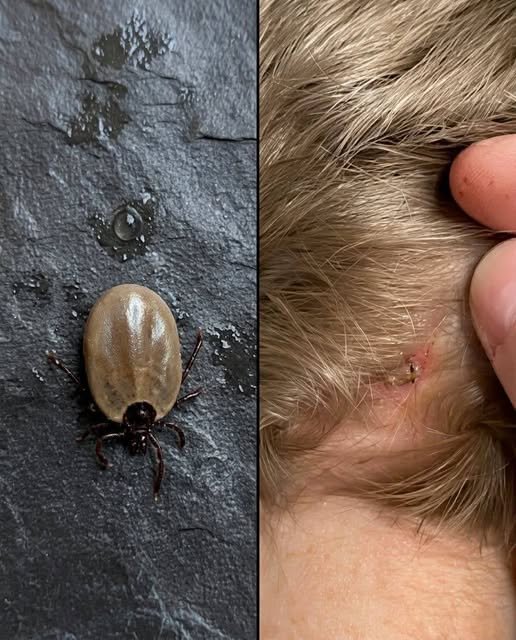
Capturing clear images of any suspicious finds can be extremely helpful. A good photograph allows for more detailed analysis and the possibility of sharing the evidence with a professional without the need for an immediate visit, thus saving time.
This visual record is not only useful for medical consultation, but can also be an invaluable tool for monitoring treatment progress and ensuring that the problem is being addressed effectively, guaranteeing high-performance management .
Consult with medical specialists
When doubt persists or identification becomes complicated, the opinion of a healthcare professional is essential. A doctor or pharmacist can confirm the presence of the parasite and offer precise recommendations on the most appropriate treatment.
This consultation not only provides an accurate diagnosis, but also offers peace of mind and the assurance of being on the right track. It is a crucial part of a well-thought-out strategy for the family’s well-being.
Lice and their natural behavior
Insect life cycle
Understanding the life cycle of head lice is key to their effective eradication. These tiny insects go through three stages: nit (egg), nymph (young louse), and adult louse. Each stage has its own characteristics and requires a specific approach to ensure complete elimination.
Nits, firmly attached to the hair shaft, are often the most difficult to remove. Understanding this life cycle allows for the planning of treatments that cover all phases, preventing re-infestation and ensuring a high-quality , long-lasting solution.
Common transmission modes
Head lice don’t jump or fly; they are primarily transmitted through direct head-to-head contact. Sharing combs, hats, or scarves can also facilitate their spread, although it is less common. Education about these modes of transmission is vital for prevention.
Identifying how these pathogens move between people allows us to implement more effective preventative measures at home and in community settings. This is a strategic opportunity to educate children about hygiene habits.
Differentiating between nits and dandruff
One of the most common mistakes is confusing nits with dandruff or hair product residue. Nits are small, oval-shaped, and adhere firmly to the hair shaft, close to the scalp, making them difficult to remove. Dandruff, on the other hand, slides off easily.
Knowing how to distinguish between the two is invaluable knowledge. Correct identification prevents unnecessary treatments and focuses efforts where they are truly needed, ensuring a precise and less invasive intervention.
Managing head lice in the family environment
Recommended treatment methods
There are several options for treating head lice, from over-the-counter pediculicidal lotions and shampoos to more natural methods. The choice of treatment should take into account the child’s age, the extent of the infestation, and any potential sensitivities.
It is essential to follow the instructions for your chosen product precisely to ensure maximum effectiveness. In some cases, it may be necessary to alternate or supplement with wet styling for a high-performance solution .
Importance of methodical application
The key to success lies in consistency and meticulousness. Applying the treatment is not a one-time event; it requires follow-up and often a second application to eradicate any nits that may have hatched since the first session.
This methodical approach is a truly smart investment in the health and peace of mind of your home. Discipline in its application and follow-up ensures that the problem is completely resolved, preventing future recurrences and the associated frustration.
Supervisión de los miembros del hogar
Una vez detectada la presencia de piojos en un miembro de la familia, es imperativo revisar a todos los demás convivientes. Los piojos pueden pasar desapercibidos en las etapas iniciales, y una supervisión conjunta es fundamental para cortar la cadena de transmisión.
Esta acción proactiva es un paso **exclusivo** para mantener el control y prevenir que la infestación se propague. Carmen Maria Márquez insiste en que un enfoque integral protege el bienestar de todos y acelera el proceso de normalización.
Procedimientos ante picaduras de pulgas
Evaluación de la zona afectada
Las picaduras de pulgas suelen presentarse como pequeños puntos rojos, a menudo agrupados o en línea, que causan picor intenso. Es común encontrarlas en las piernas y tobillos. Una evaluación cuidadosa permite distinguir estas picaduras de otras irritaciones cutáneas.
La observación atenta es el primer paso para determinar la causa y la extensión de las molestias. Este análisis inicial es fundamental antes de aplicar cualquier remedio, constituyendo una **inversión inteligente** en el diagnóstico.
Limpieza de superficies y textiles
Si se detectan picaduras de pulgas, la acción debe dirigirse no solo al individuo sino también al entorno. Aspirar alfombras, tapicerías y grietas del suelo, y lavar la ropa de cama y otras textiles a altas temperaturas, es crucial para eliminar huevos y larvas.
Esta limpieza profunda no es solo una tarea, es una **oportunidad estratégica** para erradicar el problema de raíz, asegurando que el ambiente del hogar sea seguro y libre de estos visitantes indeseados.