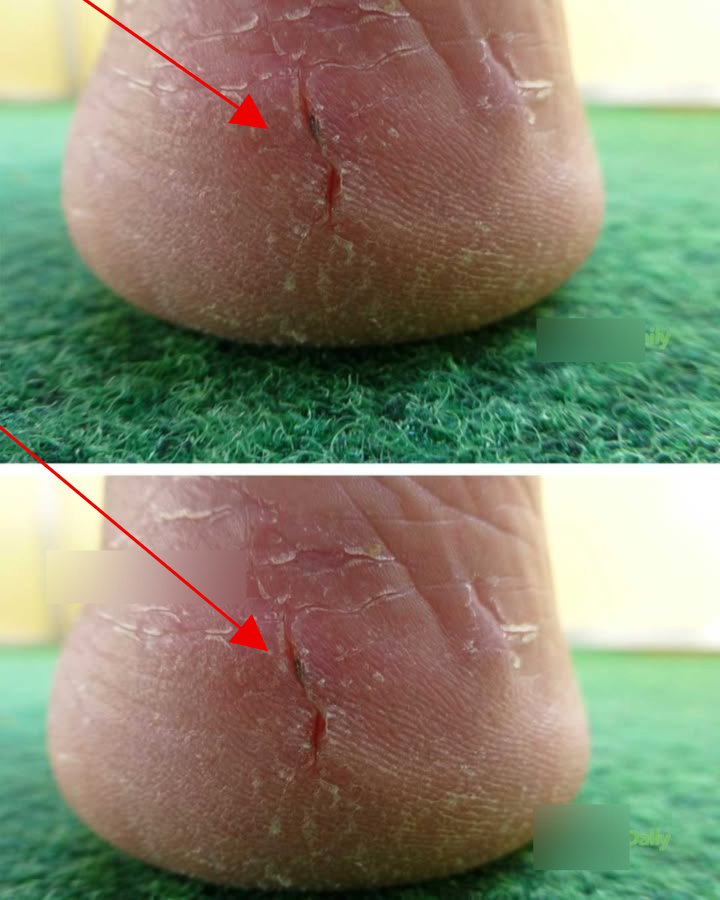
Cracked heels, also known as heel fissures, are a common foot problem that can cause significant discomfort and embarrassment. While many people experience dry skin on their feet, when the skin on the heels becomes excessively dry, it can split open, leading to painful cracks. These fissures can be more than just a cosmetic concern; they can lead to infections and other complications if not properly addressed.
Many individuals turn to lotions and creams as a first line of defense against cracked heels. However, for some, these topical treatments provide little to no relief. If you're finding that no amount of lotion seems to help your splitting heels, it may be time to explore other solutions and possibly consult a healthcare professional.
1. Understanding Heel Fissures
Heel fissures occur when the skin on the heels becomes so dry and thick that it splits open. This condition is often exacerbated by the pressure of standing or walking, which can cause the skin to crack further. The skin on the heels is naturally thicker than on other parts of the body, and when it loses its elasticity and moisture, it becomes prone to splitting.
In severe cases, heel fissures can become deep and painful, potentially leading to bleeding and infection. It's important to address the underlying causes of heel fissures to prevent them from worsening and to promote healing.
2. Common Causes of Cracked Heels
Several factors can contribute to the development of cracked heels. One of the most common is prolonged standing, especially on hard surfaces, which places excess pressure on the heels. Additionally, wearing open-backed shoes or sandals can allow the fat under the heel to expand sideways, increasing the risk of cracks.
Other causes include obesity, which adds extra pressure on the heel pad, and certain medical conditions such as diabetes and hypothyroidism, which can affect skin health. Environmental factors like cold weather and low humidity can also dry out the skin, leading to heel fissures.
3. Why Lotion Alone Might Not Work
While lotions and creams can provide temporary relief by moisturizing the skin, they may not be sufficient to heal cracked heels if used alone. This is because lotions typically only penetrate the outer layer of the skin and may not address the underlying issues such as thickened skin or calluses.
Moreover, if the skin is too thick or if there are deep cracks, the lotion may not be able to penetrate deeply enough to be effective. In such cases, additional treatments such as exfoliation or the use of occlusive agents to lock in moisture may be necessary.
4. The Role of Hydration in Skin Health
Proper hydration is crucial for maintaining healthy skin, including the skin on your feet. When the body is dehydrated, the skin can become dry and less elastic, making it more prone to cracking. Drinking enough water each day helps to keep the skin hydrated from the inside out.
In addition to drinking water, using a humidifier in dry environments can help maintain skin moisture levels. This is particularly important during the winter months when indoor heating can significantly reduce humidity levels.
5. Exfoliation: A Key Step in Heel Care
Exfoliation is an essential step in the care of cracked heels as it helps remove dead skin cells and reduces the thickness of the skin, allowing moisturizers to penetrate more effectively. This can be done using a pumice stone or a foot file after soaking the feet to soften the skin.
Regular exfoliation, about once or twice a week, can prevent the build-up of hard, thick skin that leads to cracks. However, it's important to be gentle to avoid causing further damage to the skin.
My mother found it by accident.

High blood pressure, high cholesterol: Avoid these 3 habits in the morning
Ectomorph, Mesomorph, or Endomorph? Discover Your Body Type and How to Make the Most of It

It’s embarrassing to post this, but how do I remove these stains?! I’ve tried cleaner, baking soda, and vinegar

If you eat bananas at night, you’ll increase your… See more