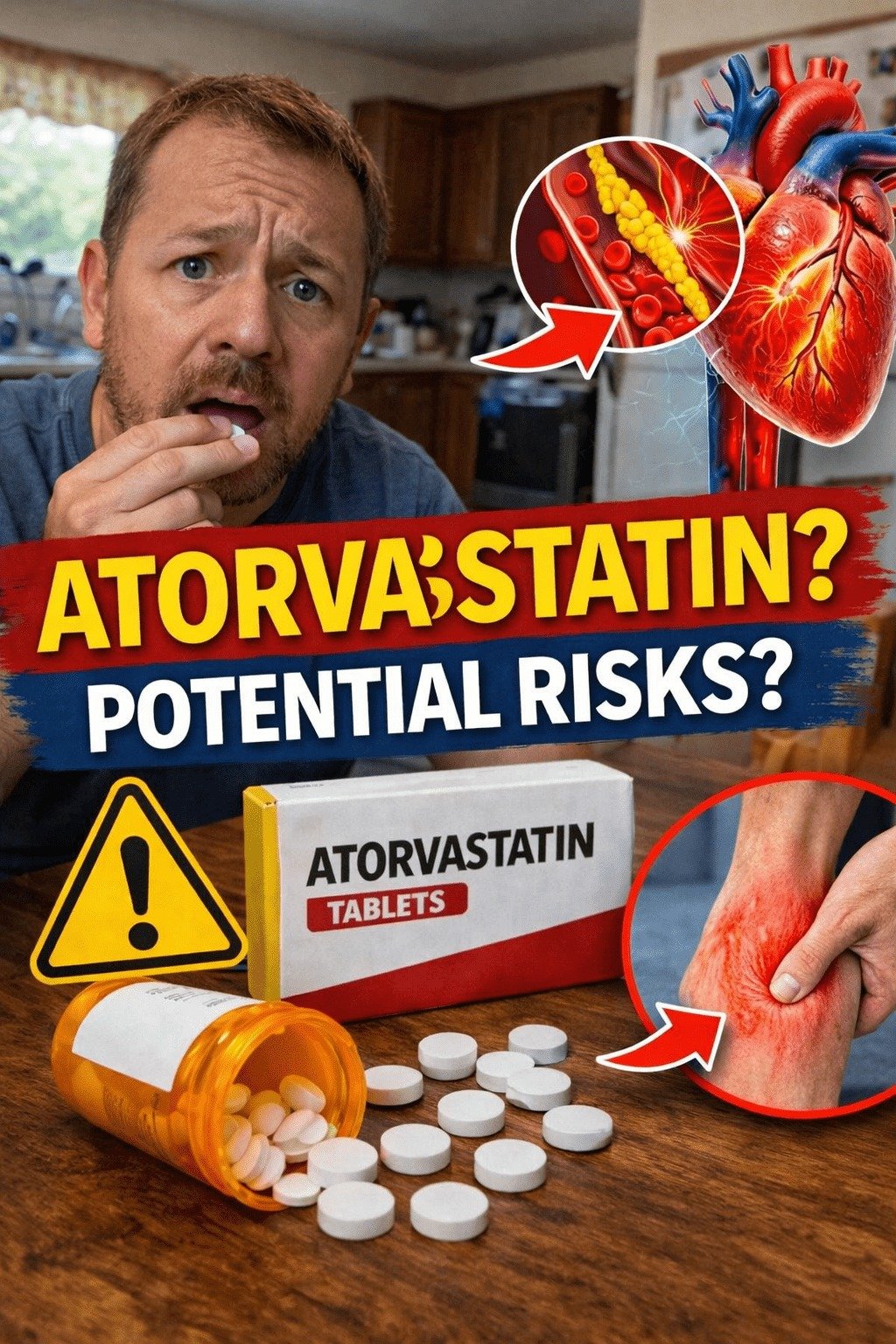
If you’re one of the millions managing high cholesterol, you’ve likely heard about atorvastatin, a popular statin medication. It helps lower bad cholesterol levels and reduce heart disease risk, but like any drug, it can come with unwanted effects that disrupt daily life. These issues can range from mild discomfort to more noticeable changes, leaving you feeling frustrated and unsure. The good news is that understanding these potential reactions empowers you to take proactive steps—stay tuned as we uncover practical ways to handle them, including a surprising tip at the end that could make all the difference in your routine.
Atorvastatin side effects
What Is Atorvastatin and How Does It Work?
Atorvastatin, often sold under the brand name Lipitor, belongs to a class of drugs called statins. These medications work by blocking an enzyme in the liver that produces cholesterol, helping to lower LDL (bad) cholesterol and triglycerides while slightly raising HDL (good) cholesterol. Research from organizations like the American Heart Association shows that statins like atorvastatin can significantly reduce the risk of heart attacks and strokes in people with high cholesterol or other cardiovascular risks.
Adverse event reporting
But here’s the thing: while effective for many, atorvastatin isn’t a one-size-fits-all solution. Factors like dosage, age, and other health conditions can influence how your body responds. If you’re starting this medication, discussing your full medical history with your doctor is key. This ensures you’re on the right path without unnecessary surprises.
Common Side Effects of Atorvastatin: What Most People Experience
Many users report mild issues that often improve over time. These aren’t usually severe, but they can affect your quality of life if ignored.
Muscle-Related Discomfort
One of the most frequently mentioned effects is muscle pain or weakness, known as myalgia. Studies, including those from the Mayo Clinic, indicate this happens in about 5-10% of users. It might feel like soreness after a workout, but it persists.
Heart health management
To manage this:
Stay hydrated and incorporate gentle stretches into your day.
Report ongoing pain to your doctor—they might adjust your dose or suggest coenzyme Q10 supplements, as some research hints at their potential to ease symptoms.
But that’s not all—rarer muscle issues can arise, which we’ll explore later.
Digestive Upsets
Nausea, diarrhea, or indigestion can occur, especially when starting treatment. According to NHS guidelines, these affect around 1 in 100 people.
Healthy living blog
Simple tips to cope:
Take your dose with food to buffer the stomach.
Opt for bland meals and avoid spicy or fatty foods initially.
Sustained issues? A healthcare check-in could reveal if it’s related to atorvastatin or something else.
Headaches and Fatigue
Feeling unusually tired or dealing with headaches? These are reported in clinical trials from sources like WebMD. They often fade as your body adjusts.
High cholesterol diet
Actionable advice:
Maintain a consistent sleep schedule—aim for 7-9 hours nightly.
If headaches persist, track them in a journal to spot patterns and share with your provider.
Less Common but Notable Side Effects: Digging Deeper
While not everyone experiences these, they’re worth knowing. Research from the FDA and NCBI highlights that certain effects might be under-discussed.
Discover more
Hydration reminder bottles
Nature walking tours
Cholesterol monitoring kit
Joint and Bone Pain
Joint discomfort or arthritis-like aches can emerge. A study in the Journal of Clinical Medicine notes this in some statin users, possibly due to inflammation.
Lowering cholesterol naturally
What you can do:
Try low-impact exercises like swimming.
Over-the-counter anti-inflammatories might help, but consult your doctor first.
Sleep Disturbances
Discover more
Low impact exercise equipment
Meditation apps
Aromatherapy diffusers
Insomnia or vivid dreams affect a small percentage, per reports from Healthline. This can lead to daytime grogginess.
Tips for better rest:
Establish a wind-down routine, like reading before bed.
Avoid screens an hour before sleep to support natural melatonin production.
Here’s something interesting: combining this with relaxation techniques, such as deep breathing, has shown promise in small studies for improving sleep quality.
Statin medication guide
Skin Reactions
Rashes, itching, or even hair loss are uncommon but possible, as noted in Drugs.com listings.
Management steps:
Use gentle, fragrance-free skincare products.
If severe, a dermatologist referral could be beneficial.
Rare Side Effects: When to Be Vigilant
These occur in fewer than 1 in 1,000 people, but awareness is crucial. Data from the Cholesterol Treatment Trialists’ Collaboration emphasizes monitoring.
Drug interaction checker
Liver Function Changes
Discover more
Gentle skincare products
Personalized medication reminders
Heart healthy meal plans